Introduction
As the digital landscape grows rapidly, so does the need for robust coding education that prepares children for future challenges. At CodeWithUs, we believe that understanding the nuances between various forms of coding education is vital for ensuring a well-rounded learning experience. This article explores the comparison between AP Computer Science (AP CS) and after-school coding programs, highlighting how they can complement each other to provide the best advantages for students.
AP Computer Science vs. After-School Coding
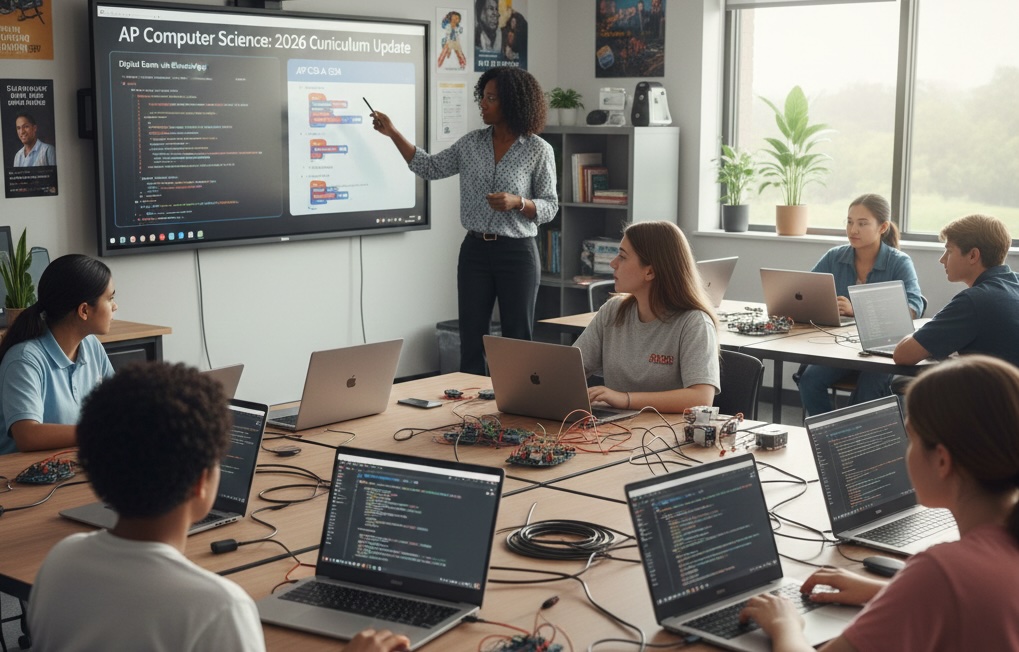
AP CS offers a structured, standardized curriculum focused on college-level programming concepts, including algorithms, data structures, and Java programming. The course is designed primarily for high school students looking to earn college credit while gaining a deep understanding of computer science fundamentals.
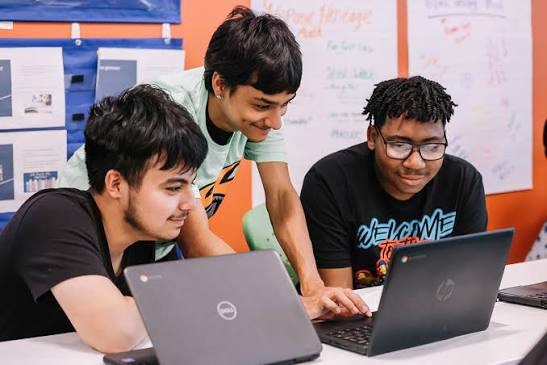
After-school coding programs, on the other hand, provide a more flexible approach, often allowing students to explore different programming languages and projects that ignite their creativity. Such programs might include Python programming, JavaScript for beginners, and Scratch programming, which can be tailored to the interests of the students.
Curriculum Differences
Focus on Theory vs. Practical Application: AP CS is theory-heavy, aimed at preparing students for the AP examination and understanding general principles, while after-school coding classes focus more on practical skills and real-world applications.
Structured vs. Flexible Learning: AP CS is guided by state curriculums and strict guidelines, making it less adaptable to individual interests compared to after-school coding programs.
Project-Based Learning: After-school programs often emphasize hands-on projects that encourage creativity and experimentation instead of rote learning.
Statistics and Insights
According to recent STEM education statistics, only about 20% of high school students feel adequately prepared for college-level STEM coursework. This concerning statistic highlights the importance of integrating AP CS with practical coding experiences to enhance overall learning.
Furthermore, recent studies prove that more students, particularly from underrepresented communities, are enrolling in AP CS courses. However, pairing this rigorous academic course with engaging after-school coding classes can significantly improve students' understanding and retention of the material.
Complement, Don’t Compete
Instead of viewing AP CS and after-school coding programs as competing paradigms, we should look at how they can work together to enrich kids’ coding education.
Best Practices for Integration
1. Supportive Learning Environments: Encourage collaboration instead of competition. Provide a space where students can share their projects, skills, and interests.
2. Quality Over Quantity: Quality coding education is about delivering rich educational experiences, whether through AP classes or after-school programs.
3. Community Building: Establish online coding forums or local meetups that promote networking and collaboration among students. This creates a supportive community that benefits all learners.
AP Computer Science vs. Coding Classes
As we move into 2025, the landscape of coding education continues to evolve. The AP CS curriculum is set for revisions aimed at inclusivity and real-world application, while coding classes are diversifying to cover more practical skills.
Current Trends
Increased Enrollment: As the appeal of AP CS rises, schools anticipate more diverse enrollments as learning methods improve to be more inclusive.
Complementing Skills: After-school coding classes often cover skills like web development that are not extensively provided in AP courses, making these courses invaluable.
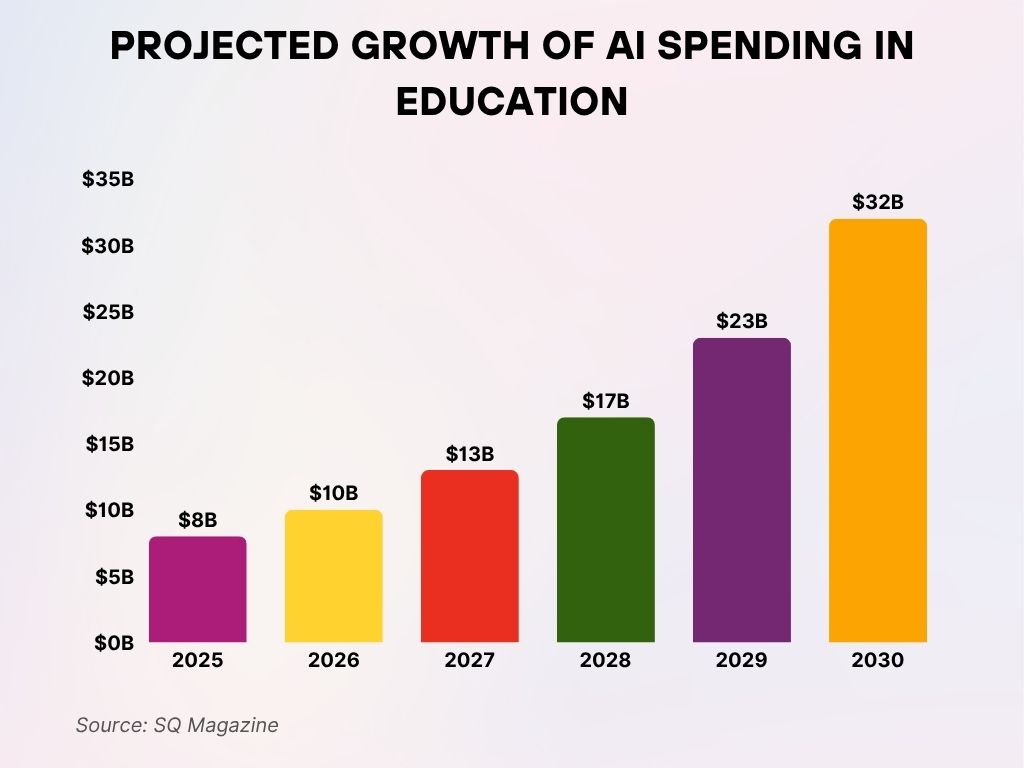
Future Demands: Projections suggest that by 2025, coding skills will be as essential as basic math. Schools are progressively embracing hybrid models that feature both AP CS and informal coding options.
Actionable Insights for Parents and Educators
Parents and educators play a crucial role in guiding children through their coding education. Here are some actionable insights:
Promote Balance: Encourage students to enroll in both AP CS and after-school coding classes to balance theoretical knowledge with practical skills.
Utilize Online Resources: Platforms like CodeWithUs offer online coding classes that are convenient and educational.
Focus on STEM Education: Recognize the necessity of coding skills as part of comprehensive STEM education. Engage children with programs that highlight these skills.
Conclusion
The integration of AP Computer Science and after-school coding programs can provide students with a well-rounded, enriching coding education. By emphasizing cooperation rather than competition, we cultivate a learning environment that encourages creativity and practical application. Through platforms like CodeWithUs, students can learn coding online in diverse ways that prepare them for future challenges and career opportunities.