AI Literacy vs. Computer Science: What's the Difference?
As the digital landscape expands with the rise of artificial intelligence (AI), educators face the challenging task of incorporating both AI literacy and computer science into educational curricula. This article delves into the definitions, overlaps, curriculum placements, and staffing implications of these two important fields, aiming to clarify for school administrators and educators where an AI program should fit in the master schedule.
Understanding the Disciplines
What is Computer Science?
Computer science (CS) encompasses the study of computational systems, including algorithms, programming languages, and software development. Students in CS learn to design, implement, and maintain software systems, providing them with essential skills needed for careers in tech sectors. Core topics include:
Algorithms and Data Structures
Software Development Methodologies
Database Management
Networking and Security
Web Development
By focusing on foundational programming skills, courses often include popular languages such as Python, JavaScript for beginners, and Scratch programming to appeal to various learning levels.
What is AI Literacy?
AI literacy, on the other hand, involves understanding the principles of AI systems, their applications, and the ethical considerations surrounding their use. AI literacy curriculum typically emphasizes:
Basics of Machine Learning
Data Ethics and Responsible AI
Critical Thinking About AI Tools
Real-World Implications of AI Technologies
As AI continues to infiltrate daily life, learning about its implications has become crucial for students. For instance, being able to critically assess AI-powered tools they encounter will help guide responsible future usage.
Overlap Between AI Literacy and Computer Science
Despite their distinct focuses, AI literacy and computer science share common ground:
Critical Thinking: Students in both disciplines are trained to approach problems with a critical mindset, analyzing technology's outcomes.
Ethical Implications: The discussion of ethical considerations around technology prepares students to navigate the responsibilities that come with using AI systems.
The World Economic Forum highlighted the necessity of developing AI literacy alongside traditional CS skills in this data-driven world, emphasizing that both fields are essential for comprehensive student education.
Where Does AI Literacy Fit in the Curriculum?
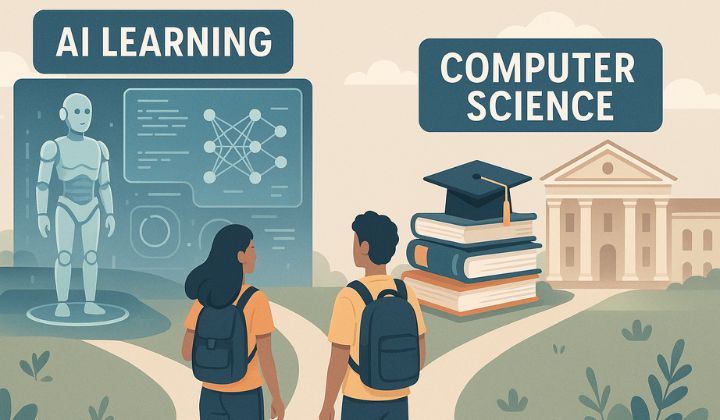
The placement of AI literacy within educational frameworks is the subject of ongoing debate, leading to two schools of thought:
1. AI Literacy as Part of Computer Science
Proponents of this perspective argue that as AI technology is rooted in computer science principles and practices, AI literacy should be integrated into CS courses. Students interested in programming or technological careers would benefit from this interplay as they gain skills to navigate AI tools effectively.
2. AI Literacy as an Interdisciplinary Subject
On the other hand, some educators support distributing AI literacy instruction across various subjects, ensuring all students, regardless of their career paths, engage with AI topics. This perspective recognizes that AI influences wider societal and educational spaces, which is especially important in disciplines like ethics, social sciences, and humanities.
Such an interdisciplinary approach can be particularly beneficial in promoting STEM education, helping students recognize the connections between various fields and AI applications.
Staffing and Certification Implications
The emergence of AI literacy programs necessitates several changes in the educational landscape:
1. Educator Certification Programs
As AI continues to evolve, there's an increasing demand for teacher certification programs that prioritize AI literacy education. This includes providing professional development targeted at equipping educators with the requisite skills to weave AI topics into their teaching practices.
2. Interdisciplinary Staffing Needs
Schools may need to hire educators skilled in both CS and AI literacy, fostering an environment that encourages collaboration between technical and ethical discussions surrounding AI. This approach would offer students a comprehensive understanding of how to engage with technology responsibly.
Sequencing AI Literacy and Computer Science
For an effective educational model, it's critical to consider how to sequence AI literacy and computer science courses. Here are a few considerations to keep in mind:
Introductory Courses: Start students with foundational concepts in CS before introducing AI literacy, allowing them to understand coding and technology principles.
Project-Based Learning: Collaborate projects that integrate AI tools with programming assignments can offer practical applications of both subjects.
Real-World Examples: Incorporate examples of AI applications and ethical considerations within CS classes to demonstrate practical implications, making lessons relevant.
By thoughtfully sequencing the two subjects, educators can offer students a cohesive understanding that prepares them for future challenges.
Conclusion
As classrooms evolve to accommodate advanced technologies, the need for clear distinctions between AI literacy and computer science grows. Both disciplines provide invaluable skills and insights for tomorrow’s leaders in technology. Platforms like CodeWithUs offer online coding classes that not only equip students with the skills to code but also instill the importance of understanding their ethical consequences. Combining AI literacy with traditional CS education is fundamental to nurturing informed, responsible digital citizens.
For parents and educators alike, recognizing where each discipline fits in today’s educational models can help make informed decisions about curriculum development, ensuring students are prepared for the future of work.
Whether your child is learning Python programming or JavaScript for beginners, integrating AI education into their curriculum will empower them to be critical thinkers in an increasingly AI-driven world. Explore our coding bootcamp and broaden your child’s horizons in kids coding education today!