At What Age Should Students Start Learning About AI?
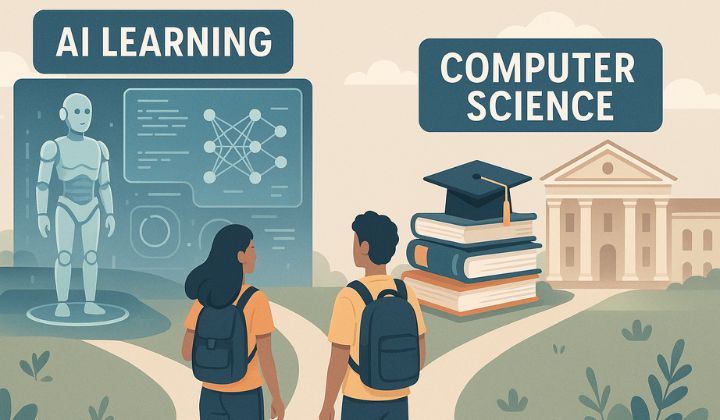
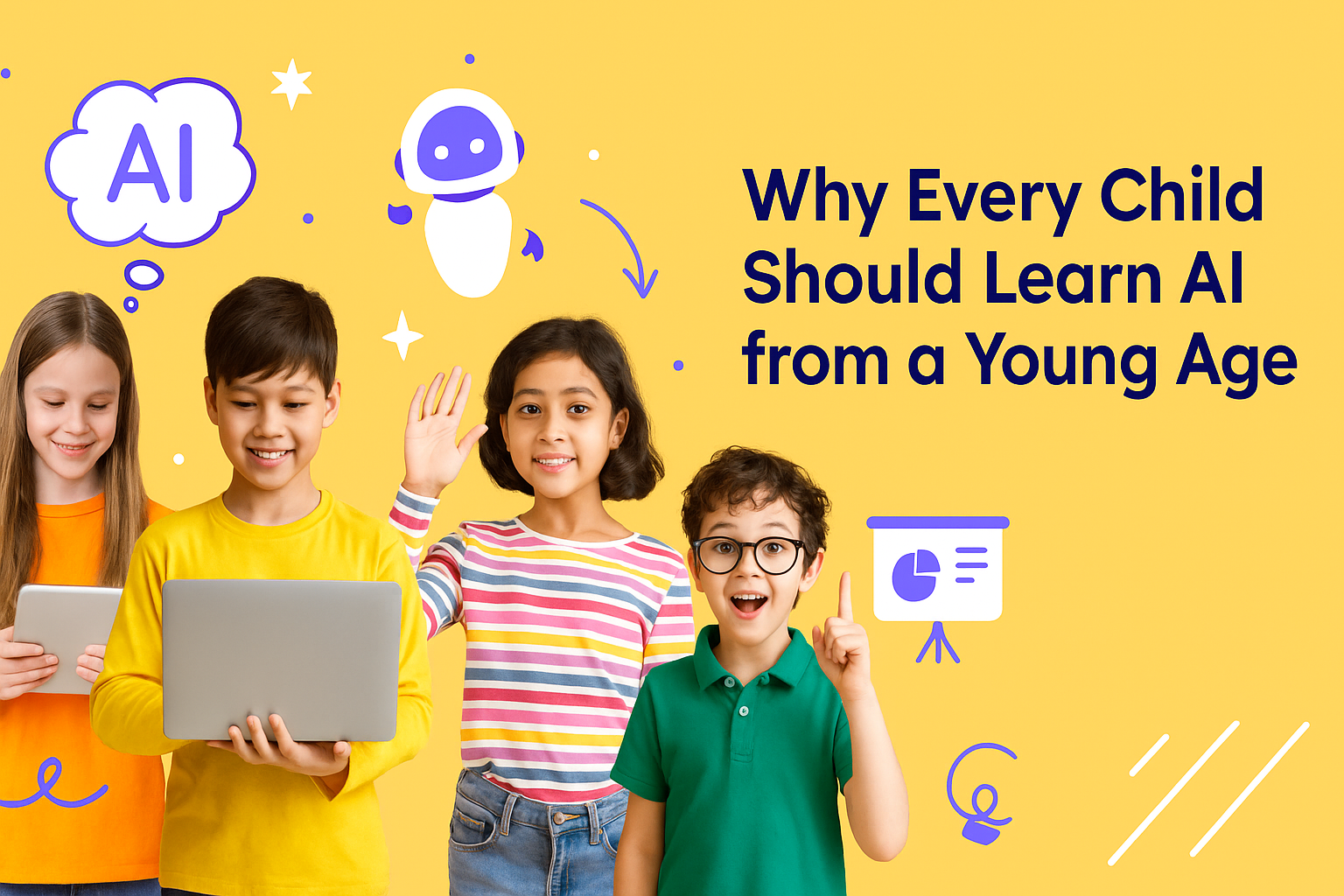
Students should begin learning about AI around age 8. At this stage, they can understand basic AI concepts through engaging and age-appropriate activities. Later discussions about ethics and complex algorithms can commence from age 14 and above, as students reach cognitive readiness.
Understanding AI Education by Age
The educational journey into artificial intelligence (AI) is pivotal for developing the skills needed in tomorrow's technology-driven world. As educational methodologies evolve and awareness about AI's implications grows, educators and parents grapple with the question: What is the most appropriate age for students to start learning about AI? While the consensus leans towards age 8 as a starting point, educators must tailor learning experiences to developmental stages.
Ages 5-7: Introducing Basic Technology Concepts
For children aged 5 to 7, learning about technology can be intertwined with play and creativity. At this developmental stage, the focus should be on:
Key Concepts: Basic sequencing and logic.
Appropriate Tools: ScratchJr or other simple programming tools.
Justification: At this age, children do not possess the cognitive capacity for abstract concepts; thus, the emphasis is on foundational skills related to technology and problem-solving.
Activities can include playful robotics and simple coding games that nurture logic skills and creativity, laying a solid groundwork for more complex topics in the future.
Ages 8-10: Foundations of AI Literacy
As children enter ages 8 to 10, they expand their understanding of technology significantly. This age group can engage conceptually with basic AI literacy:
Key Concepts: What AI can do and how it interacts with our lives.
Ethical Discussions: Basic ethical discussions, such as fairness in algorithms.
Justification: Children within this range develop a better grasp of AI functionalities and can reflect on their implications.
Appropriate content includes basic AI applications like voice assistants and simple coding platforms, where learners can develop their skills in coding and begin understanding AI's applications in web development and digital interfaces.
Ages 11-13: Exploring Complex AI Systems
From ages 11 to 13, students are ready to tackle more complex concepts and systems:
Key Focus: Introduction to elementary machine learning concepts and interactive projects.
Appropriate Content: Educational games incorporating AI decision-making.
Justification: As their reasoning improves, students can engage meaningfully with technology, facilitating discussions on the ethical implications of AI.
At this stage, students can benefit from online coding classes that focus on Python programming or engage in straightforward JavaScript for beginners, integrating their coding skills with AI concepts.
Ages 14-18: Advanced AI Education
For students aged 14-18, the learning curve steepens as they expand into advanced topics:
Focus: Deep dives into the ethics and societal impacts of AI, alongside coding skills.
Content Offered: Courses in programming languages suitable for AI development, including Python and advanced data analysis.
Justification: Older teens are cognitively equipped to critically engage with technology, fostering an understanding of AI’s societal implications.
Programs may include more intensive coding bootcamp experiences that equip them with skills relevant to STEM education and future jobs in tech.
Why the Age for AI Learning Remains Contested
Despite emerging trends supporting age-appropriate AI education, the appropriate starting age remains a debated topic among educators. Some argue that technology exposure should commence earlier due to its omnipresent nature in modern life's various aspects, suggesting that even younger students could engage with simplified AI concepts.
Conversely, others contend that critical thinking skills should form a priority, positing that developing foundational skills is essential before exposing young minds to complex technologies. The key lies in balancing this exposure with what children can cognitively understand.
Current Trends and Statistics in AI Education
Recent reports, like a UNESCO study on generative AI and the 2025 AI in Education Report by Microsoft, emphasize a human-centered approach to AI learning tailored to various developmental stages. These trends are pivotal in shaping curricula aligned with student needs, empowering them to navigate the complexities of future technological landscapes effectively.
Notably, studies indicate that children engaged in structured AI education show a marked increase in their logical reasoning and problem-solving skills. For instance, incorporating engaging elements into learning sharply enhances understanding, with statistical evidence suggesting a 40% improvement in performance according to several educational surveys.
Actionable Insights for Parents and Educators
For parents and educators, the path forward involves:
Incorporating Age-Appropriate AI Learning Materials: Ensure that materials and coursework reflect the student's cognitive readiness.
Engaging with Resources: Utilize platforms like CodeWithUs to access tailored courses in Python programming, Scratch programming, and more, ensuring that kids coding education aligns with academic standards and relevance.
Promote STEM Education: Encourage participation in STEM-related activities, extending learning beyond traditional classrooms.
Conclusion: Charting the Future of AI Education
As we consider the right age for students to learn about AI, starting at age 8 emerges as a consensus, transitioning from simpler concepts to complex discussions about ethics and societal implications. With firm support from relevant educational data and modern AI trends, teaching AI by grade level can profoundly equip future generations to navigate and shape the technological world ahead.